

Leak Surveys in Alachua County
More than 40 Years of Non-Invasive Leak Detection
Damp flooring, an unusually green lawn, or a high water bill may signal a hidden leak, but the visible symptom can be far from the actual failure. Water can travel through soil, concrete, walls, and other building materials. A professional survey determines where water is escaping before demolition, excavation, or repair planning begins.
At American Leak Detection of Gainesville, we provide non-invasive leak detection for residential, commercial, and municipal properties. Backed by more than 40 years of industry experience, we use trained methods and advanced equipment to investigate concealed water loss according to our Leak Detection Without Destruction™ principle.
A visual inspection often can’t distinguish a slab leak from an underground service-line failure, irrigation loss, or water migrating from another area. We locate and characterize the problem so you can make informed decisions about repairs and contractor coordination.
Get a clearer answer before authorizing destructive work. Call American Leak Detection of Gainesville at (352) 578-2282 or request a service call for a leak survey.
Planning Leak Surveys across Alachua County
Hidden leaks behave differently from one property to another. Plumbing materials, slab construction, irrigation layouts, groundwater conditions, recent weather, and the affected line’s location can influence where water appears and how we plan the survey.
We serve homes, businesses, and municipal properties throughout the county. On properties with irrigation systems, we may need to separate outdoor water use from domestic plumbing or pool-related loss. This distinction can be useful when conservation requirements or watering schedules make unexplained irrigation use a concern.
Eligible Gainesville Regional Utilities customers may receive continuous-use notifications or qualify for a leak adjustment after meeting the utility’s current requirements. A continuous-use notification indicates that a leak or another source of ongoing consumption may be present, but it doesn’t pinpoint the cause or location. Survey findings can inform utility follow-up, though they don’t ensure that an adjustment will be approved.
Systems & Zones a Leak Survey May Evaluate
Large or complex properties can contain multiple networks of pressurized lines. Instead of treating the entire site as one system, we focus on the areas and zones connected to the reported symptoms.
Our team may assess domestic supply lines beneath a slab, irrigation loops, pool plumbing, wall cavities, or underground service lines. Hidden water and sewer leaks may require different testing methods based on the system involved. Commercial and municipal surveys may also need to account for larger footprints, shared systems, multiple zones, and operational constraints.
Isolating individual systems helps us narrow the search before focused testing begins. We determine whether the water loss is associated with indoor plumbing, an exterior line, irrigation equipment, pool plumbing, or another concealed system.
Warning Signs of a Hidden Water Leak
Underground and concealed leaks rarely create a dramatic geyser. They more often produce gradual changes that indicate water loss without revealing its source.
Consider scheduling a plumbing leak survey when you notice:
- An unexplained increase in your utility bill without a meaningful change in normal water use.
- A water meter that keeps moving after fixtures and water-using appliances are turned off.
- A utility notice reporting continuous or unusual consumption.
- Persistent dampness or landscaping that is greener or more saturated than surrounding areas.
- An unusually warm section of flooring that may be associated with a concealed hot-water line.
- A musty odor, visible moisture, or unexplained loss of water pressure.
These conditions can indicate water loss, but they aren’t proof of its cause or location. Testing is needed to determine whether the source is beneath a slab, inside a wall, underground, or within irrigation or pool plumbing.
How Our Non-Invasive Leak Survey Process Works
We begin by reviewing when the symptoms appeared, changes in water use, affected areas, and any utility notifications. We then inspect accessible plumbing components and site conditions to identify which systems require evaluation.
Next, we may isolate domestic, irrigation, or pool zones and use controlled pressure testing to identify where loss is occurring. Depending on the suspected system and failure, our technicians may use acoustic leak detection, thermal imaging, tracer detection, or video inspection. Because each method provides different information, we select equipment based on the conditions rather than applying a one-size-fits-all test.
We confirm the location as closely as conditions allow and distinguish supported findings from areas that need further investigation. Our Know Before You Go approach provides upfront pricing before service decisions are made. We also explain what the testing indicates as the survey progresses.
Findings That Clarify Repair Decisions
A useful survey does more than place a mark on the ground. Its findings identify the suspected or confirmed location, the system or zone involved, the methods used, and practical next steps based on observed conditions.
When written documentation is included in the service scope, the resulting leak survey report can help you communicate with a plumber, irrigation contractor, pool contractor, insurer, utility provider, buyer, or facility manager. Documentation doesn’t ensure insurance coverage or a utility adjustment, but it can create a clearer record for those discussions.
You retain control over the repair decision and may hire your preferred contractor. If repair service is available and appropriate for the confirmed problem, we can discuss that option with you. Access and repair methods depend on the pipe’s location, surrounding construction, materials, and extent of failure, so those decisions are made separately from the initial survey.
What Unresolved Water Loss Can Cost
Unresolved water loss can increase utility costs and contribute to moisture damage, material deterioration, mold conditions, soil loss, or disruption to occupants and business operations. The severity depends on the leak’s flow, duration, location, surrounding materials, and whether water is reaching finished or structural areas.
An underground leak may move soil or create saturated areas near paving and foundations, but damage isn’t inevitable. A concealed indoor leak may affect drywall, flooring, cabinetry, or other materials before the water becomes visible. Promptly locating the source gives the property owner better information for choosing a repair.
Once the problem area is identified and documented, a repair professional can determine whether the conditions call for direct access, rerouting, tunneling, component replacement, or another method.
Frequently Asked Questions
Why Did the Water Company Send Me a Continuous-Usage Alert?
A continuous-usage alert means the utility detected ongoing or unusual water consumption during the monitoring period. It may indicate a hidden leak, running fixture, irrigation problem, or another source of water use, but the alert alone doesn’t confirm the cause or location.
Can Your Team Scan My Irrigation System without Digging Up the Lawn?
We use non-invasive methods to investigate many irrigation leaks before excavation is considered. Pressure testing, zone isolation, and acoustic ground microphones may help narrow the suspected location. Site conditions and the type of failure determine which methods are appropriate and how precisely we can mark the area.
Will Your Team Shut Off Water to the Whole House During the Survey?
A temporary shutoff or system isolation may be needed for some tests. We may separate individual plumbing, irrigation, or pool zones to compare pressure and water use. Any interruption depends on the property and system being evaluated, and we explain it before testing begins.
What Happens If the Leak Is underneath My Concrete Driveway?
Non-invasive testing can locate many leaks beneath concrete without broad demolition. After the suspected area is identified, a repair contractor can evaluate access options such as a contained opening, rerouting, or another approach suited to the pipe and site. Detection and repair access are separate decisions.
Should I Wait for the Rainy Season to End Before Scheduling a Survey?
You generally don’t need to postpone a suspected leak solely because of wet weather. Heavy rain and saturated ground can affect surface clues or certain tests, but pressure testing and other methods may still provide useful findings. We can determine whether site conditions require a different testing approach or scheduling adjustment.
Get Clear Next Steps for Suspected Water Loss
Request a leak survey if you’re dealing with unexplained water use, persistent moisture, a suspected underground leak, or uncertainty about where repairs should begin. We evaluate residential, commercial, and municipal systems in Alachua County using trained methods and technology selected for the suspected source.
Replace guesswork with documented findings. Reach out to American Leak Detection of Gainesville at (352) 578-2282 or request a service call to schedule your leak survey.

-
Innovating Since 1974
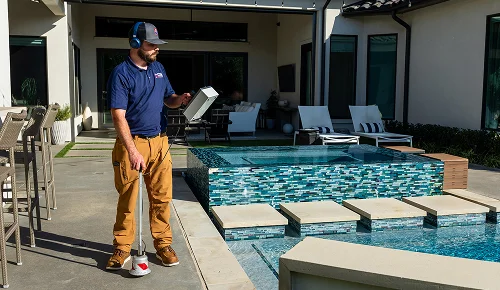 For 50+ years, we’ve developed tools to make leak detection faster and less disruptive.
-
Solutions Tailored for You
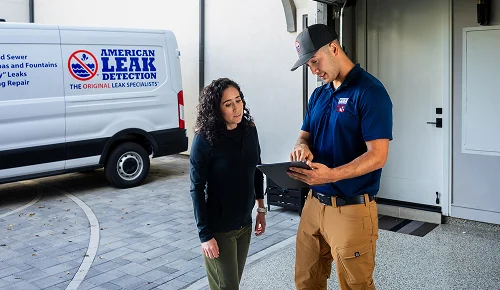 Learn all your options with pros, cons, and costs before making any decisions.
-
Preferred by Top Insurers
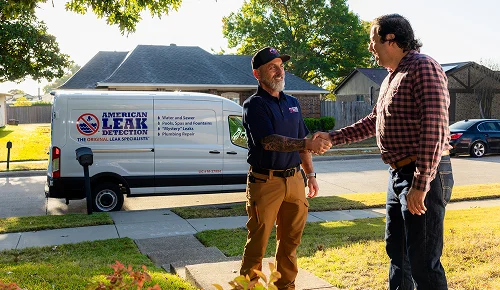 Pre-approved with top insurers means faster claims and smoother coverage.
-
Trusted Specialists
 Trained specialists who detect leaks in every system, from pools to commercial pipes.


